
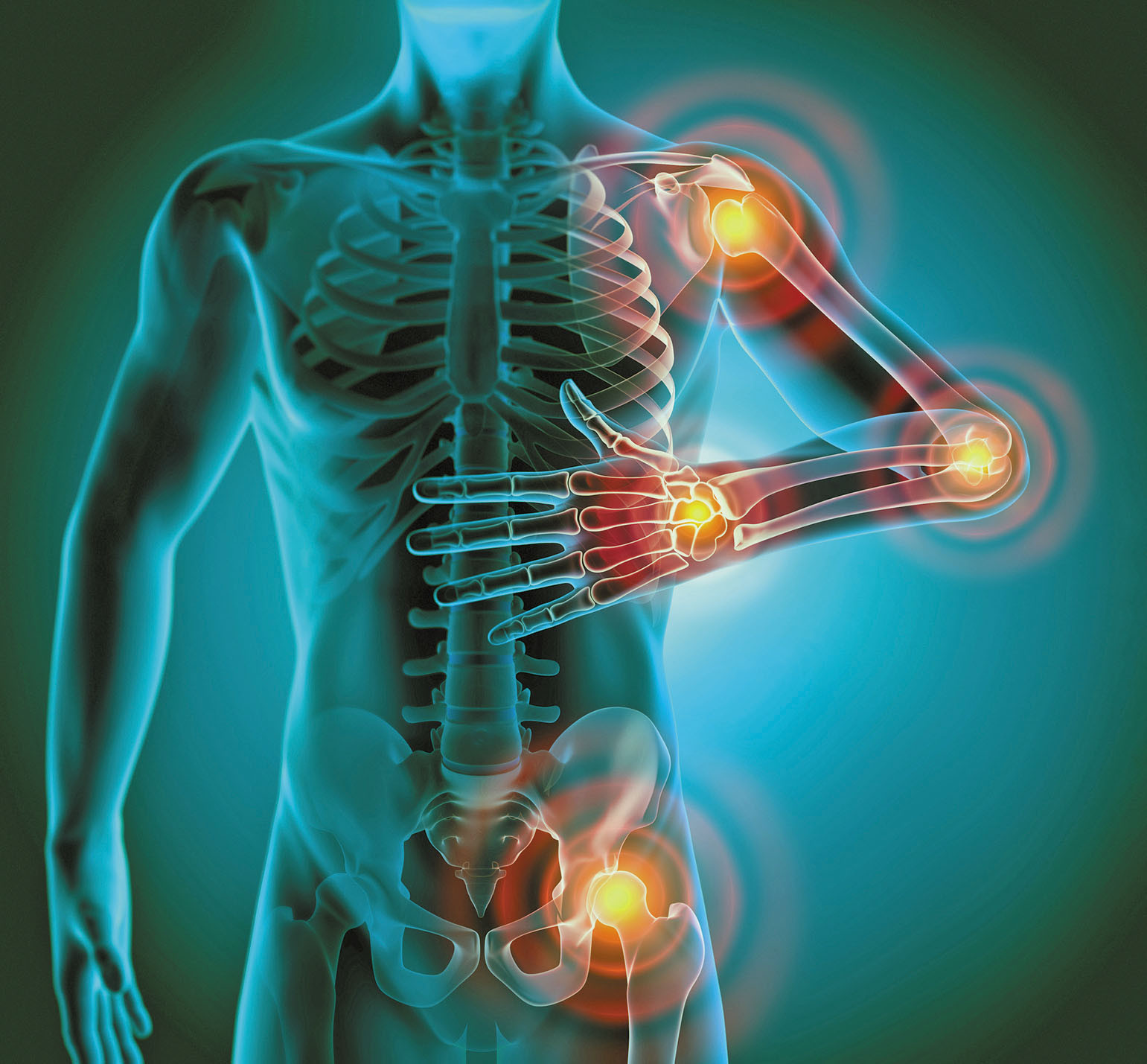
Understanding Chronic Inflammatory Demyelinating Polyneuropathy (CIDP)
There are mornings when your hands feel heavier than usual.
Buttons slip, your legs tire too quickly, and the strength you once took for granted seems to fade without reason.
If this sounds familiar, you might be walking through the quiet, confusing world of Chronic Inflammatory Demyelinating Polyneuropathy, or CIDP.
It’s not a name people often know — yet for those living with it, it becomes a constant presence, shaping how they move, hold, and even feel their world.
What Exactly Is CIDP?
CIDP is an autoimmune disorder — meaning the body’s immune system, which is designed to protect, begins attacking the protective covering of the nerves, called myelin.
This layer acts like insulation around electrical wires. When it wears away, nerve signals slow down or get lost entirely.
The result is weakness, numbness, tingling, and fatigue — symptoms that may come and go or quietly grow over time.
Unlike short-term nerve inflammation, CIDP is chronic, developing slowly and lasting for months or even years.
What You Might Feel
Living with CIDP can be unpredictable.
Some days, the body feels almost normal — others, even standing feels like a challenge.
Common experiences include:
- Gradual weakness in arms or legs
- Tingling, numbness, or “pins and needles”
- Unsteady walking or difficulty climbing stairs
- Fatigue after small effort
- Trouble holding small objects
- Dull pain or heaviness in the limbs
It isn’t just physical — the emotional toll of uncertainty can weigh just as much.
What Causes It?
In CIDP, the immune system mistakes healthy nerve fibers for something foreign.
The exact reason remains unclear, but several factors may play a role:
- A past infection that triggered an overactive immune response
- Genetic susceptibility
- Long-term stress or exhaustion that disrupts immune balance
- Environmental factors
It isn’t caused by weakness of character, diet, or lack of care — it’s a misdirected defense. The body is trying to protect, but it ends up attacking itself.
The Homeopathic Approach: Healing Beyond the Nerves
Homeopathy looks deeper than the nerves alone.
It sees CIDP as a reflection of inner imbalance — a body that has lost its rhythm between protection and peace.
The goal is to restore harmony, calming the immune system’s overreaction and helping the body rebuild natural strength.
Treatment begins by understanding the person — not just the symptoms.
How does the fatigue feel? When did it begin? What emotions accompany it?
Each answer helps shape a remedy chosen specifically for the individual.
Some remedies that may be considered include:
- Phosphorus – for nerve weakness with burning sensations and emotional sensitivity.
- Causticum – when muscle weakness and stiffness cause clumsy movement or trembling.
- Gelsemium – for dullness, heaviness, and loss of coordination, especially after exhaustion or fear.
- Plumbum Metallicum – for slow, progressive weakness with a heavy, dragging feeling in the limbs.
- Arsenicum Album – for those who feel anxious, restless, and weak, especially at night.
Homeopathic remedies aim not to suppress, but to guide the body back toward steadiness and resilience.
Always consult a trained homeopath for personalized remedy selection
Daily Living Support
Small, consistent steps can make a big difference:
- Eat nourishing foods that support nerve health — fresh vegetables, proteins, and omega-rich sources.
- Rest well. The nerves repair during calm, unbroken sleep.
- Gentle movement — stretching, walking, or yoga — keeps circulation flowing.
- Stay emotionally supported. Share your journey with people who understand.
- Work with both your homeopath and medical specialist for integrated care.
Healing happens slowly — but it does happen.
A Note of Hope
CIDP can change how you move, but it doesn’t define who you are.
Recovery is not just about regaining muscle strength — it’s about rebuilding trust in your body.
With time, patience, and the right guidance, the nervous system can relearn calm, coordination, and courage.
Homeopathy offers a space for that — quiet, respectful healing that reminds the body it was never truly broken, only overwhelmed.
Strength may return slowly, but it returns all the same — one steady step at a time.


Leave a Reply