
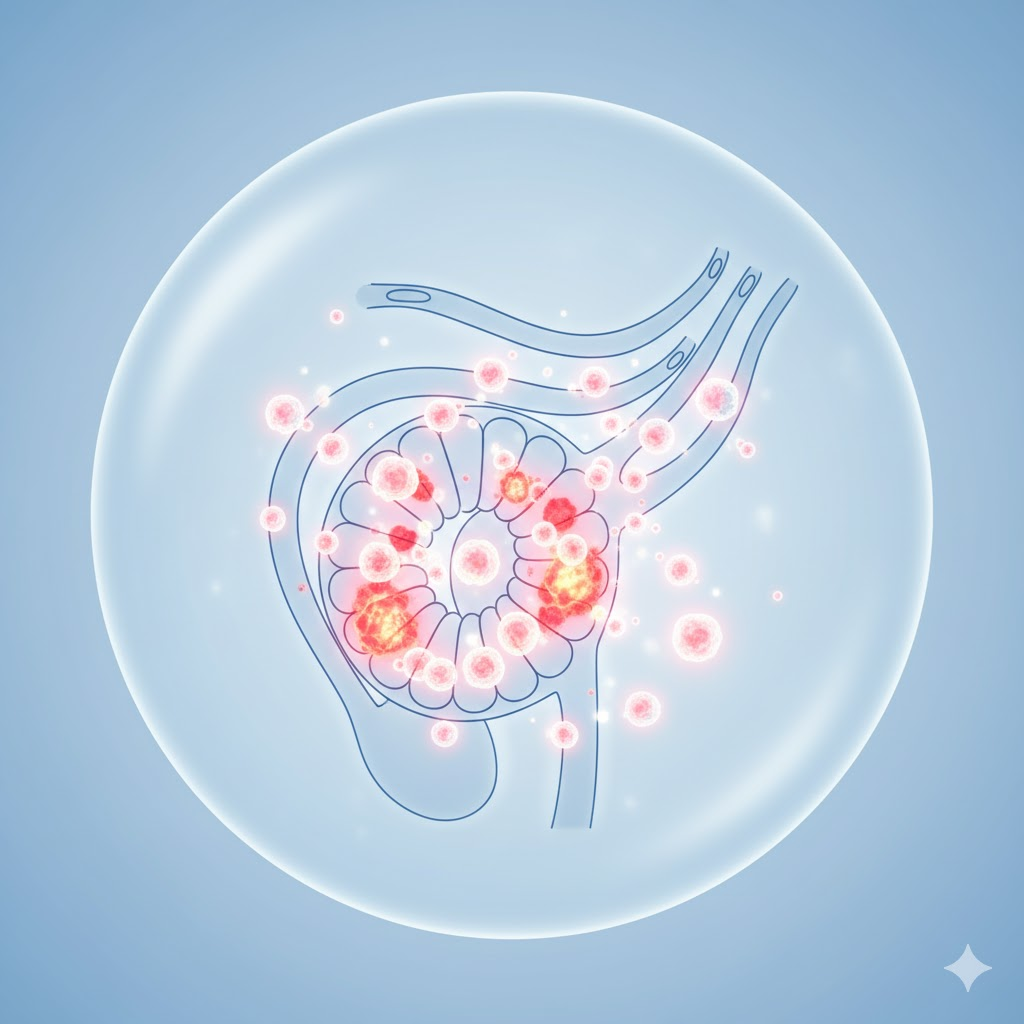
When the World Goes Quiet: Understanding Autoimmune Inner Ear Disease (AIED)
Hearing is something we rarely think about — until it begins to fade.
For some people, that fading doesn’t come from noise or age, but from the body itself.
The sounds of life — voices, music, laughter — begin to blur, replaced by ringing, fullness, or silence.
This can be the reality of Autoimmune Inner Ear Disease, or AIED, a condition where the body’s own defense system turns against the delicate tissues of the inner ear.
If you or someone close to you has noticed gradual hearing loss or balance problems without a clear reason, this may help bring some understanding.
So… What Exactly Is Autoimmune Inner Ear Disease?
Inside each ear is a tiny, complex world.
The inner ear holds the cochlea, which helps you hear, and the vestibular system, which keeps you balanced.
In AIED, the immune system mistakenly attacks these areas — as if they were foreign invaders.
This reaction causes inflammation, which disrupts how the ear sends sound and balance signals to the brain. Over time, that inflammation can lead to progressive hearing loss in one or both ears.
How It Feels
AIED often begins quietly. One ear may feel muffled at first, or you might notice that conversations sound distant.
Then, the other ear may begin to change too. The experience can be unsettling — not just physically, but emotionally.
Common signs include:
- Gradual hearing loss in one or both ears
- Ringing or buzzing sounds (tinnitus)
- A feeling of pressure or fullness inside the ear
- Dizziness or imbalance
- Fluctuating hearing — better one day, worse the next
- Fatigue or mental strain from trying to hear
Because these changes can happen slowly, many people think it’s stress or aging — until the loss becomes too noticeable to ignore.
What Causes It?
In Autoimmune Inner Ear Disease, the immune system becomes confused and starts attacking the inner ear’s own tissues.
It’s not something you can catch, and it isn’t caused by poor habits — it’s an internal error of recognition.
Sometimes, AIED appears alone. In other cases, it’s linked to other autoimmune conditions such as rheumatoid arthritis, lupus, or thyroid disease.
Stress, infections, or hormonal changes can sometimes trigger or worsen the symptoms.
The Homeopathic Approach: Calming the Body’s Inner Conflict
Homeopathy sees AIED as more than an ear disorder — it’s a sign that the body’s natural defense system has lost its harmony.
The goal is to restore that balance gently, helping the immune system recognize “self” again and easing the inner inflammation that disturbs hearing and stability.
A homeopathic consultation focuses on the full picture — how your body and emotions respond to stress, fatigue, sound, and silence.
From that, an individualized remedy is chosen.
Some commonly considered remedies include:
- Phosphorus – for sensitivity to noise, ringing in the ears, and fatigue after effort.
- China Officinalis – for hearing weakness and exhaustion after illness or fluid loss.
- Silicea – for chronic ear inflammation, balance issues, and slow recovery.
- Lycopodium – for fluctuating hearing and fullness in the ears, often worse in the evening.
- Graphites – for ear blockage, thick discharge, and slow progressive hearing decline.
Always consult a trained homeopath for personalized remedy selection
Each remedy works on the body’s inner communication, guiding it back toward steadiness rather than suppression.
Daily Habits That Support Healing
Along with any form of treatment, small lifestyle steps can help:
- Avoid exposure to loud or sudden noises.
- Keep the body well-hydrated and rested.
- Manage emotional stress — the ear is highly sensitive to tension.
- Eat balanced, whole foods and reduce processed salt and caffeine.
- Protect ears from temperature extremes or sudden pressure changes.
- Give yourself quiet time — stillness helps the body reset its inner rhythm.
Healing may not be immediate, but with care, many people notice gradual improvement in energy, clarity, and hearing comfort.
Life After Awareness
Losing sound is more than a physical change — it can affect how connected we feel to the world.
But awareness brings hope. When you understand what your body is doing, you can begin to work with it, not against it.
Through gentle homeopathic support and consistent self-care, the body often begins to calm its inner confusion.
The world may grow quieter for a time, but balance, clarity, and peace can return — not by force, but by restoring harmony within.
Your body isn’t fighting you out of malice; it’s asking to be understood.
And once it is, healing often follows — softly, naturally, and in its own rhythm.


Leave a Reply