
When Nerves Grow Weary: Understanding Autoimmune Axonal and Neuronal Neuropathy (AMAN)

Our nerves are silent messengers — carrying thoughts, sensations, and movement signals across the body every second of every day.
They allow us to feel warmth, hold a cup, walk, and even smile without thinking.
But imagine if those tiny messengers began to weaken — if the signals slowed, if your hands tingled, or your legs felt heavy without reason.
For some people, this is not just fatigue or aging; it’s the quiet struggle of Autoimmune Axonal and Neuronal Neuropathy — when the body’s own defense system starts attacking the nerves themselves.
It’s rare, but for those who experience it, life can feel uncertain, as if the body is no longer speaking clearly to itself.
So… What Exactly Is Autoimmune Axonal and Neuronal Neuropathy?
To understand this condition, it helps to know a little about how nerves work.
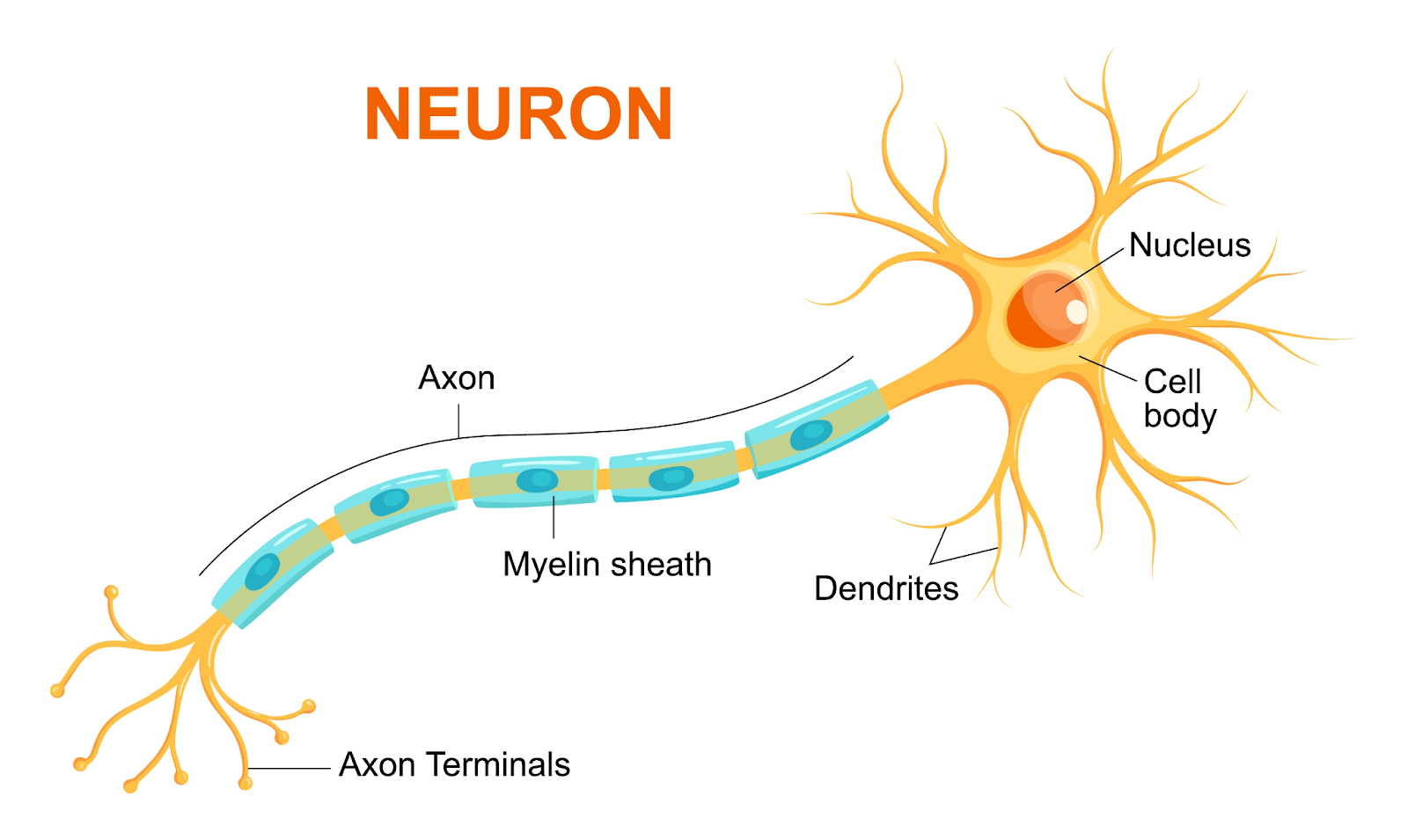
Each nerve has two essential parts:
- The axon, which carries messages to and from the brain.
- The neuron (nerve cell body), which maintains and regulates those messages.
In Autoimmune Axonal and Neuronal Neuropathy, the immune system mistakenly attacks these structures — damaging the axons or nerve cells.
As a result, signals get lost, slowed, or distorted, leading to weakness, numbness, or loss of coordination.
This inflammation can affect sensory nerves, motor nerves, or both — quietly interfering with daily life.
How It Feels
The symptoms often start subtly and progress slowly, making them easy to dismiss at first. Over time, they become harder to ignore.
You might notice:
- Tingling or burning sensations in hands or feet
- Numbness spreading gradually up the limbs
- Muscle weakness or heaviness
- Loss of balance or coordination
- Difficulty with fine movements (like buttoning clothes)
- Unusual fatigue or nerve pain
- In severe cases, changes in reflexes or muscle tone
Some people describe it as “feeling disconnected” from their body — as if their brain and limbs aren’t fully in sync.
What Causes It?
In autoimmune neuropathies, the immune system — normally protective — becomes confused and begins attacking nerve fibers.
The causes can vary, but often include:
- A history of viral or bacterial infection
- Other autoimmune disorders (like lupus or Sjögren’s syndrome)
- Certain medications or environmental stress
- In rare cases, genetic or idiopathic (unknown) origins
The inflammation damages the protective covering or the inner core of the nerve, disrupting the smooth flow of electrical signals.
Homeopathic Approach: Restoring Communication Within
Homeopathy views autoimmune neuropathies as disturbances in the body’s natural communication system — when defense turns against its own message carriers.
Rather than suppressing this reaction, homeopathy aims to calm the immune system, nourish nerve vitality, and restore internal balance gently over time.
A true homeopathic consultation looks deeply into how you experience your symptoms — not just physically, but emotionally.
It explores whether your pain worsens with stress, what kind of sensations you feel, and how your energy levels change throughout the day.
Remedies are chosen based on this full picture, not the diagnosis alone.
Commonly considered remedies may include:
- Phosphorus – for burning, tingling sensations and weakness in limbs.
- Gelsemium – for trembling, fatigue, and loss of coordination.
- Causticum – for progressive nerve weakness with stiffness and numbness.
- Plumbum Metallicum – for slow, heavy sensations and declining muscle control.
- Arsenicum Album – for burning pain and exhaustion with anxiety.
Always consult a trained homeopath for personalized remedy selection
Each of these helps the body rebuild its communication system gently, restoring nerve tone and vitality over time.
Daily Care and Lifestyle Support
- Rest when fatigue appears — overexertion strains recovery.
- Eat balanced meals rich in B vitamins and minerals that nourish nerves.
- Gentle stretching, yoga, or walking can improve circulation.
- Manage emotional stress through relaxation or meditation.
- Stay consistent with follow-ups and self-care; nerve healing takes patience.
Your nerves respond best to steadiness — calm, warmth, and time.
Life After Awareness
Discovering that your own immune system is harming your nerves can feel discouraging.
But awareness brings direction — and with the right approach, healing is possible.
Your body is not breaking down; it’s confused.
Homeopathy helps remind the immune system of its true purpose — to protect, not attack.
With ongoing care, gentle remedies, and a patient lifestyle, many people find their strength, sensation, and stability return.
The process may be slow, but recovery often begins the moment understanding replaces fear.
The nervous system has resilience — and with care, it can find its balance again.


Leave a Reply