
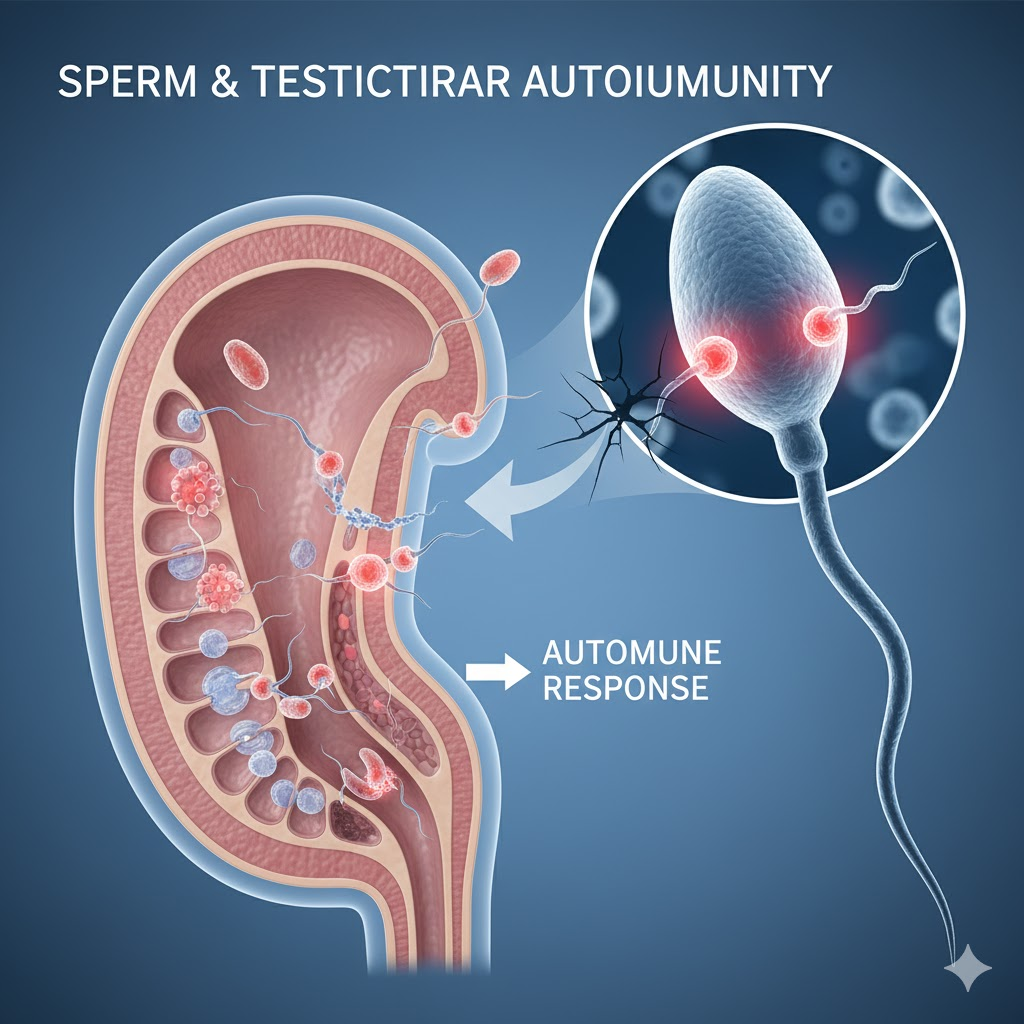
When the Body Turns on Its Own: Understanding Sperm and Testicular Autoimmunity
The body is meant to protect, to nurture, to keep its own cells safe.
Sometimes, however, its defenses become confused. Sperm and Testicular Autoimmunity is one of these quiet, deeply personal conditions — where the immune system begins to target sperm or testicular tissue, disrupting fertility and hormonal balance.
It may begin subtly: difficulty conceiving despite no apparent cause, occasional testicular discomfort, or changes in sexual function or energy. Often, there are no outward signs, making the experience isolating and emotionally heavy.
Living with sperm or testicular autoimmunity is a journey of patience, awareness, and gentle self-care — learning to listen to the body’s whispers and respond with compassion.
Understanding the Condition
Sperm and testicular autoimmunity occurs when the immune system misidentifies sperm or testicular tissue as foreign, producing antibodies that attack these cells.
Causes may include:
- Trauma or injury to the testes
- Infection or inflammation in the reproductive tract
- Surgery, such as vasectomy
- Genetic or idiopathic immune dysregulation
The immune attack can impair sperm function, reduce fertility, or occasionally affect hormone production. It is not a reflection of weakness or fault — it is the immune system’s confusion, asking for guidance and balance.
How It Feels
The experience of testicular autoimmunity can be both physical and emotional:
- Subtle discomfort or tenderness in the testes
- Changes in fertility or challenges with conception
- Fatigue, low energy, or hormonal shifts
- Anxiety, stress, or emotional heaviness related to reproductive health
Emotionally, the condition can feel isolating. Discussing fertility or immune issues is deeply personal, and the lack of obvious physical symptoms can make others unaware of the struggle.
Yet within this challenge, many develop profound attentiveness to their bodies — learning to nurture, pace themselves, and cultivate emotional resilience alongside physical care.
Why It Happens
Sperm and testicular autoimmunity occurs because the immune system loses its “tolerance” for the body’s own reproductive cells.
Normally, the testes are an immune-privileged site, meaning the body protects sperm from attack. Trauma, infection, or unknown triggers can disrupt this protection, leading the immune system to react against its own cells.
It is not a failure; it is a misdirected defense, signaling the need for careful care, restoration of balance, and guidance to support reproductive and hormonal health.
The Homeopathic Understanding: Guiding the Body Back to Balance
Homeopathy views sperm and testicular autoimmunity as an expression of deeper disharmony in the body’s protective and reproductive systems.
The goal is to gently restore immune tolerance, support hormonal balance, and encourage the body’s natural rhythm of repair.
Remedies often considered include:
- Selenium – for fertility challenges, reproductive tissue support, and overall vitality.
- Thuja Occidentalis – for immune misdirection and reproductive concerns, especially after trauma or surgery.
- Calcarea Carbonica – for fatigue, low energy, and susceptibility to immune imbalance.
- Lycopodium Clavatum – for reproductive weakness, hormonal fluctuations, and digestive sensitivity.
- Natrum Mur – for emotional sensitivity linked to reproductive challenges or immune dysregulation.
Each remedy is selected according to the individual’s full physical, emotional, and energetic profile.
(Always consult a qualified homeopath for personalized guidance.)
Gentle Daily Care
- Nurture reproductive health. Avoid unnecessary trauma, maintain genital hygiene, and protect against infections.
- Support overall immunity. Nutrient-rich foods, hydration, and gentle physical activity help balance immune responses.
- Rest and manage stress. Emotional and physical fatigue can worsen immune imbalance; mindfulness, journaling, or quiet reflection are supportive.
- Track reproductive health. Regular semen analysis, hormonal evaluation, and medical guidance help monitor progress.


Leave a Reply