
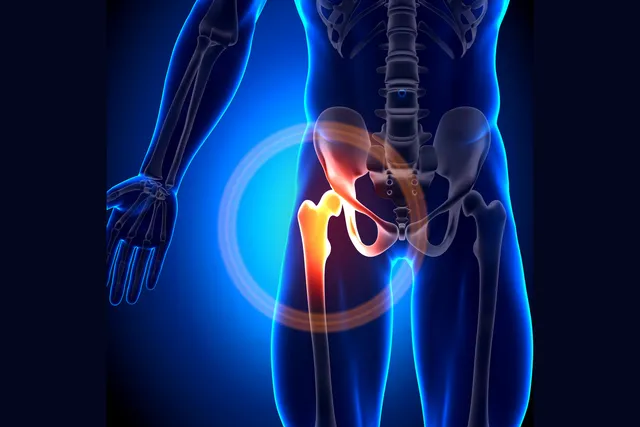
Sometimes pain isn’t loud — it’s steady, deep, and quietly persistent. It comes and goes, like waves that never fully disappear.
For many children, teenagers, and even adults living with Chronic Recurrent Multifocal Osteomyelitis (CRMO), this is what everyday life can feel like.
It’s not just a bone problem. It’s the body’s way of showing that something deeper — something in the immune system — is out of balance.
So… What Exactly Is CRMO?
CRMO is a rare auto-inflammatory bone condition.
In simple terms, it means that the body’s defense system causes inflammation in different bones — even though there’s no infection.
The inflammation can appear in one bone, fade, and then return in another. That’s why it’s called:
- Chronic – because it lasts a long time.
- Recurrent – because it comes back after quiet periods.
- Multifocal – because it affects several bones at once.
The long name might sound intimidating, but at its heart, CRMO is an overreaction of the immune system — one that can be guided back to calm.
How It Feels
For someone living with CRMO, pain doesn’t always make sense. It might start in a leg, then move to the arm or spine. Sometimes, there’s swelling or tenderness.
The pain might worsen at night or after rest, then ease for a while — only to return again.
Common experiences include:
- Aching or throbbing pain in bones
- Swelling or warmth over painful areas
- Fatigue or weakness during flare-ups
- Pain that shifts location over time
- Stiffness or difficulty walking when the legs are affected
Though invisible from the outside, the discomfort can affect energy, mood, and confidence — especially for young people trying to keep up with normal life.
What Causes It?
In CRMO, the immune system mistakenly triggers inflammation inside the bone, even though there’s no infection or injury to fight.
No one fully knows why this happens, but research points to a mix of:
- Genetic predisposition – inherited tendencies toward immune overactivity
- Environmental or emotional stress – which can heighten immune reactions
- Imbalance in inflammatory pathways – where the body’s “fire” burns too long
It’s not contagious, and it’s not caused by something you did. It’s the immune system’s confusion — fighting shadows instead of real threats.
Homeopathic Approach: Soothing the Inner Inflammation
Homeopathy views CRMO as more than a disease of the bones — it’s a reflection of imbalance deep within the immune system.
The goal isn’t to suppress inflammation harshly, but to teach the body how to regulate it naturally.
Each case of CRMO is unique. Homeopathic care begins by understanding the person behind the symptoms — their pain pattern, emotional state, triggers, and even the way their body responds to weather, food, and rest.
Commonly considered remedies include:
- Silicea – for chronic bone inflammation with slow healing and tenderness.
- Calcarea Phosphorica – for recurring bone pain, especially in children or adolescents.
- Phosphorus – for deep, throbbing pain with fatigue and sensitivity.
- Rhus Toxicodendron – for pain that eases with gentle movement but worsens after rest.
- Arsenicum Album – for burning or restless pain that flares at night.
These remedies aim to reduce internal inflammation, ease pain, and restore the body’s natural rhythm of repair.
Always consult a trained homeopath for personalized remedy selection
Daily Living Support
Simple habits can bring comfort and stability:
- Eat wholesome, mineral-rich meals that support bone and immune health.
- Rest during flare-ups — healing requires stillness.
- Stay gently active; slow stretching helps circulation.
- Manage emotional stress through calm routines and steady support.
- Work closely with both your medical doctor and homeopath for a balanced care plan.
CRMO may be chronic, but it doesn’t have to control your life. With the right care, flare-ups can lessen and the body can slowly find its way back to harmony.
A Note of Hope
Living with a rare condition like CRMO can feel isolating — but you are not alone.
This isn’t your body working against you; it’s your body asking to be understood.
With time, patience, and gentle guidance, the immune system can relearn balance.
Homeopathy offers a path that respects the body’s wisdom — not forcing it, but helping it remember how to heal.
Pain doesn’t define you. It’s simply a message — and with the right care, even that message can soften into peace again.


Leave a Reply